
Picking out the right fabric for an outfit is a tough task at times. We may come across great embroidery work but the color just doesn’t fit what we had in mind. Also you may have your heart set on a certain shade but it is hard to find that in the fabric you want. This is where dyeable embroidered fabrics come in handy. They present you with decorative embroidery which also has the option of customizing the base fabric’s color, which in turn has to be appropriate for the dyeing process. From elegant suits and festive kurtis to designer lehengas and wedding attires, these fabrics open up a world of creative options. But it’s more than just choosing a pretty design which is what this process involves. You have to look at fabric content, type of embroidery thread, color compatibility and how the final garment will turn out.
In this guide, we will explore the different types of dyeable embroidered fabrics, their uses, how to choose the right option and what to consider before dyeing.
1. What Are Dyeable Embroidered Fabrics?
Dyeable embroidered fabrics are a type of textile which comes with embroidery and is put through a dyeing process. We see these often in white, ivory, cream and other light colors which in turn makes them a great base for you to create your own color scheme. For example think of white georgette with fine floral embroidery. As an alternative to picking from pre determined colors you may get the option to have the fabric dyed to your choice of pink, blue, green and any other color you prefer. The results which you get in the end depend on the fabric, embroidery materials and the dyeing method..
What Makes a Fabric Dyeable?
A fabric’s affinity for dye is mostly a result of its fiber content, present finishes and what is used in the embroidery. Cotton, silk, polyester and other fibers do not react the same to dyes or processing which is a fact. Also two fabrics which appear the same may in fact produce different results after dyeing. That is to say it is important to verify that a fabric is indeed labeled as dye compatible. A light colored embroidered fabric is not a sure thing for any dye process.
How Embroidery and Dyeing Work Together
Embroidery brings in texture, pattern and decorative element to the fabric. In terms of color which is a part of the design process, we introduce it to the fabric; it may fit a specific design or an outfit. But what you may not know is that the base fabric and the embroidery threads may react differently to color. Some threads may shift shade, while others may just keep to their original look. In the end you may get a uniform look or a very subtle contrast between what is the background and what is the embroidery. The best way to see how it all comes together is to do a small sample test.
Difference Between Dyeable and Pre-Coloured Embroidered Fabric
The main difference is when the colour is selected. Pre-coloured embroidered fabric comes ready in a shade making it a practical choice when a colour matches your design. Dyeable embroidered fabric lets you pick a custom shade long as the fabric works with the dyeing process and it is especially handy when matching a particular outfit, wedding theme or boutique collection.
2. Why Choose Dyeable Embroidered Fabrics?
The biggest advantage of embroidered fabric is the flexibility dyeable embroidered fabric gives. Than having to change your whole outfit design to match the colours that are, in stores you can create a colour scheme that fits your original idea..
Customise Fabric to Match Your Outfit
Colour matching is important when creating outfits that look good together. You might need a shade to go with a dupatta, a blouse the fabric of a bottom or an existing piece of clothing.
A dyeable base can help with this. An exact colour match is never certain. Materials and embroidery threads can behave differently when they are dyed.
Create Coordinated Ethnic Wear
Dyeable fabrics can be useful when creating ethnic outfits for weddings, festivals and family occasions. For example a designer may pick shades for a suit, dupatta and blouse instead of using one identical colour on every piece. The final combination can feel ethnic outfits while no single piece looks exactly the same. For the result test dyeable fabrics together, before dyeing the complete set.
Explore Different Colour Possibilities
Coloured bases give you a solid starting point when trying out different colour palettes. Soft pastels often feel right for daytime celebrations while deeper shades can bring drama and fit well with evening events or festive outfits.
The final shade you see will depend a lot on the fabric. How the dyeing process works. Because of this it’s always better to rely on a sample rather than just picking a colour from a screen. Colours can look different, on a phone or computer monitor so seeing the real thing makes a difference.
Add Texture and Detail to Garment Designs
Embroidery adds depth and personality to fabric even before colour is added. I notice that embroidery creates designs, borders, threadwork and decorative patterns that can make a garment look interesting without needing a very complex design.
When colour and embroidery come together nicely I think embroidery can make the fabric the main highlight of an outfit.
3. Popular Types of Dyeable Embroidered Fabrics
Different kinds of fabric bases create looks. Some are light and flowy while others feel stiff or have a stiff look. The best choice depends on the item you want to sew. Different kinds of fabric bases create looks. Some are light and flowy while others feel stiff or have a stiff look. The best choice depends on the item you want to sew.
Dyeable Georgette Embroidered Fabric
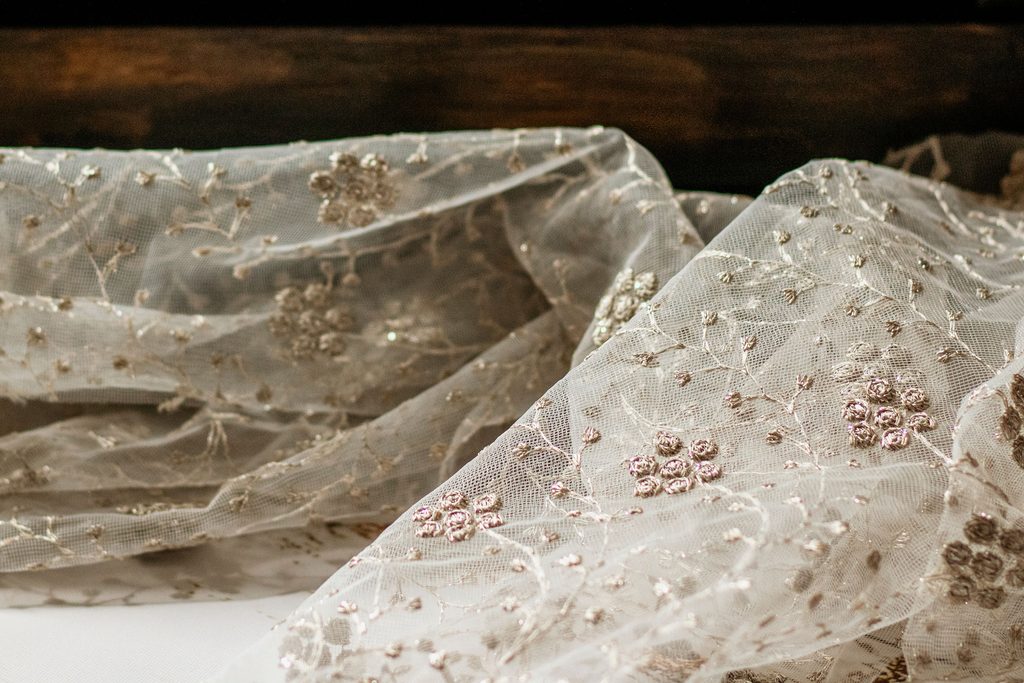
Georgette feels light and drapes smoothly. I find embroidered Georgette works for suits, anarkalis, dresses, dupattas and other garments that move nicely. Its soft look pairs with floral designs, fine threadwork and decorative borders. Before you buy check the fibre content. Make sure the embroidery can be dyed.
Dyeable Organza Embroidered Fabric
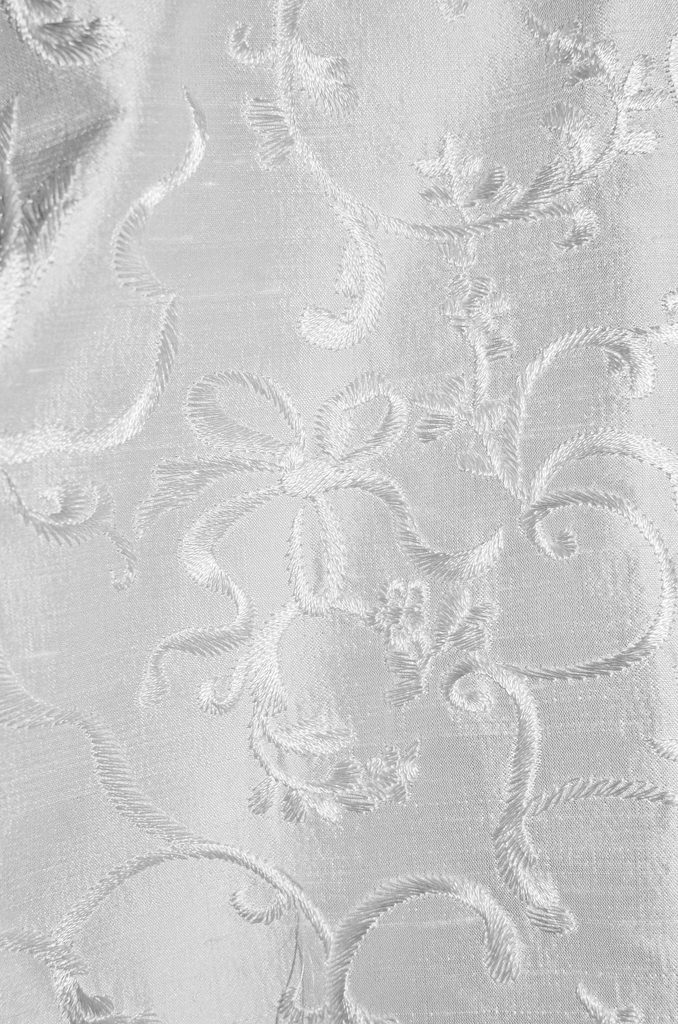
Organza is known for its look and crisp feel. When you add embroidery Organza can look very elegant for occasions. Many choose it for overlays, sleeves, dupattas, sarees and eye‑catching details on dresses. Since Organza is delicate choose a dyeing method that keeps its texture and finish.
Dyeable Chiffon Embroidered Fabric
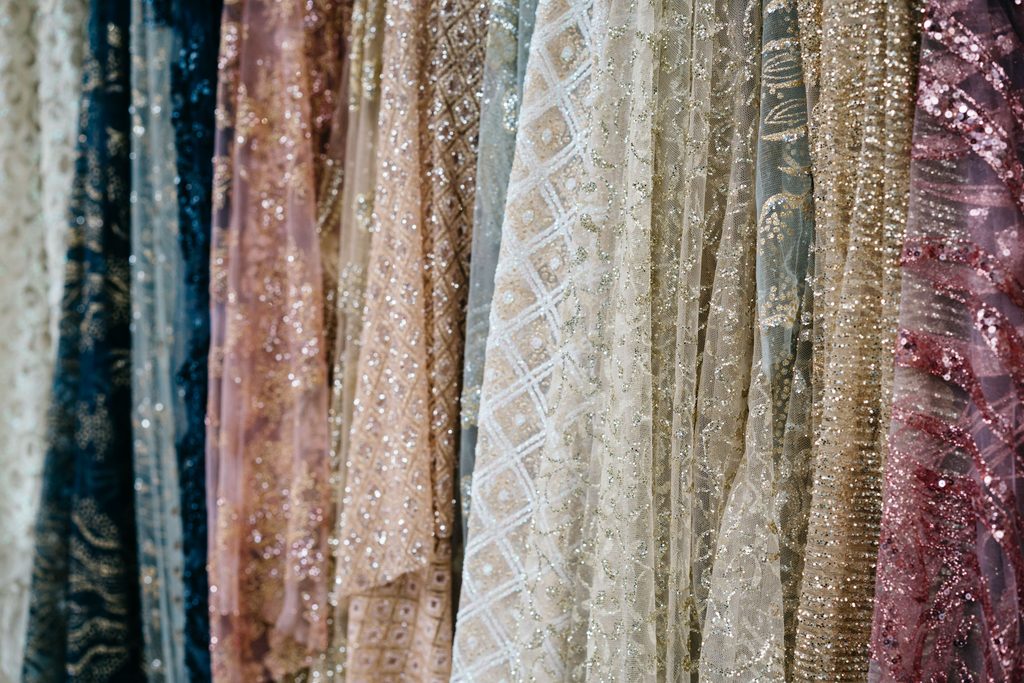
Chiffon is a fabric that drapes softly. I see embroidered Chiffon used for flowing dupattas, sarees, dresses and chosen ethnic clothes. Because Chiffon is delicate handle it carefully. Before dyeing check that the base fabric and the embroidery can handle the treatment you plan.
Dyeable Chanderi Embroidered Fabric
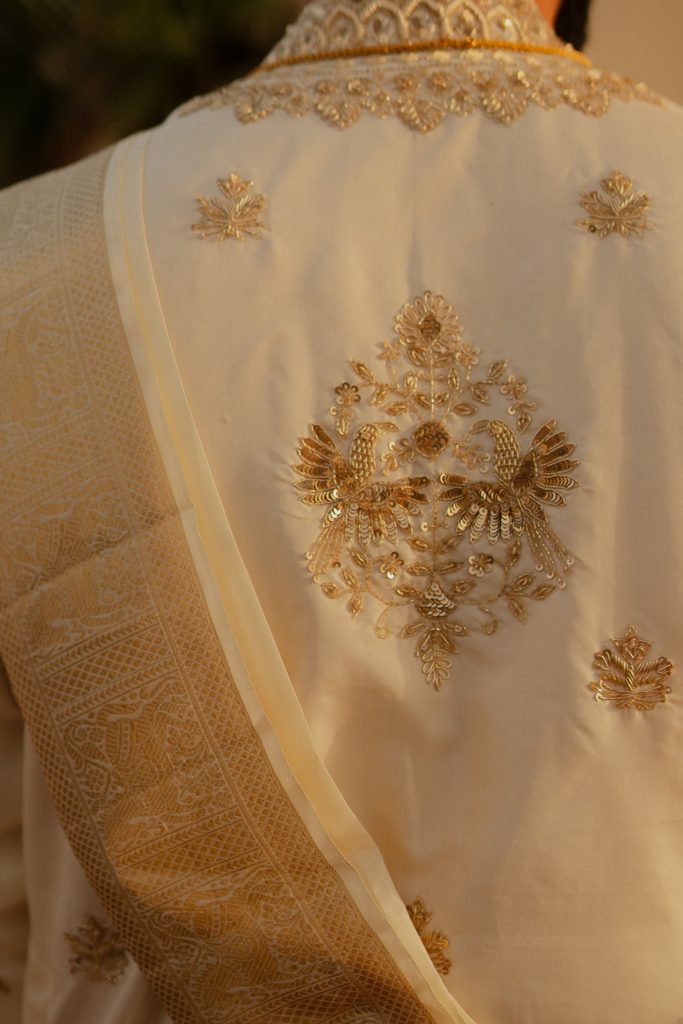
Chanderi is valued for its light feel and gentle shine. Embroidered Chanderi works well for suits, kurtas, festive clothes and elegant ethnic outfits. It gives a mix of lightness and structure. Always check the fibre mix because items sold as Chanderi may have different blends.
Dyeable Silk and Silk-Blend Fabric
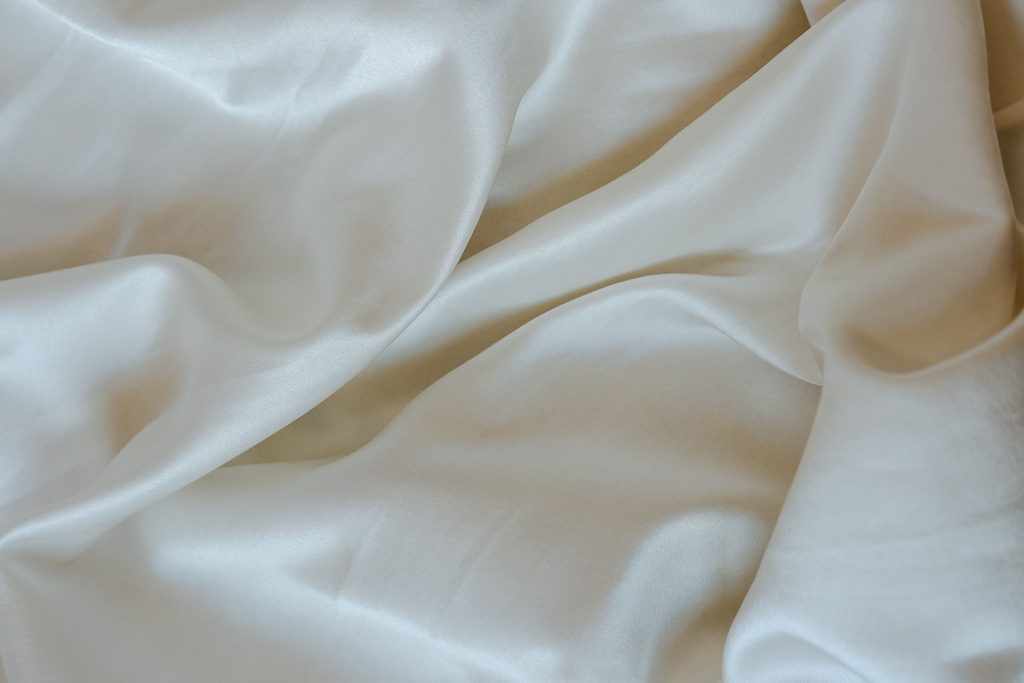
Silk and silk‑blend fabrics are popular for occasion wear because of their feel and look. With embroidery they can become blouses, lehengas, jackets, suits and other designer pieces.. Silk and synthetic blends need different dyeing methods. Ask the supplier or a professional dyer to confirm the material and its dye suitability before you start.
Dyeable Tissue and Satin Embroidered Fabric
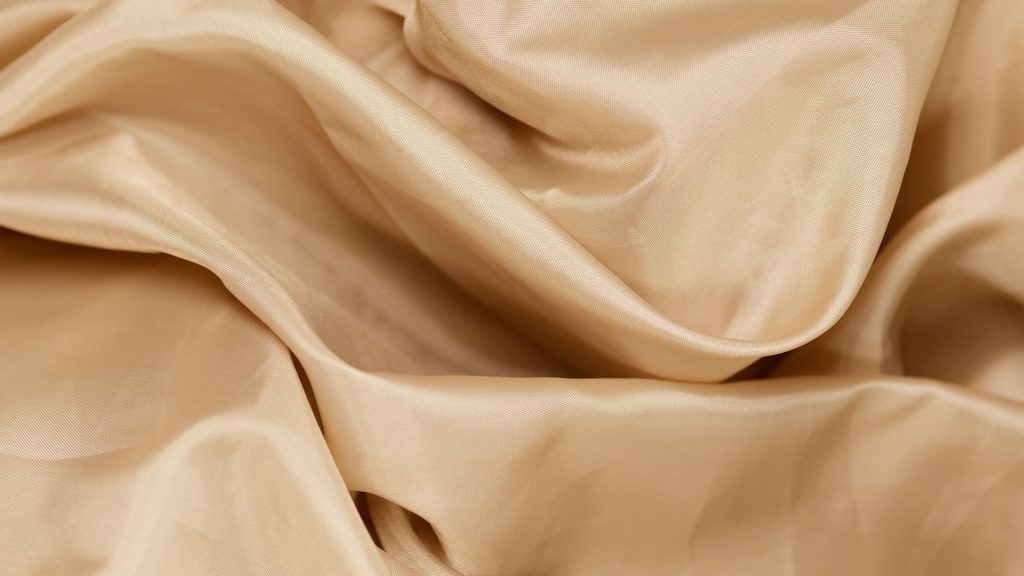
Tissue fabrics are chosen for their shine and satin is known for its smooth surface. Embroidered Tissue and Satin add a touch, to festive and formal clothes. They may have threadwork, metallic details, sequins or other embellishments. How they react to dyeing depends on the base material and the decorations so check the product details carefully.
4. Popular Embroidery Styles on Dyeable Fabrics
The embroidery style influences the overall appearance of the fabric and the kind of garment it suits.
Thread Embroidery
Thread embroidery uses stitched patterns to create motifs, geometric shapes, borders and other designs. It can be subtle or elaborate depending on the thread stitch density and pattern.
This style can work well for ethnic wear festive suits and designer garments. The embroidery thread should be checked for dye compatibility before the base fabric is coloured.
Zari and Metallic Embroidery
Zari and metallic embroidery create a shine that is usually linked with traditional clothing and special events. These features can be added to lehengas, dupattas, blouses and festive suits.. Metallic threads or finishes might behave differently than the main fabric when it is dyed. Make sure that the decorative work is made in a way that can handle the dyeing process that is planned.
Sequin and Bead Embroidery
Sequins and beads bring shine feel and depth. They are commonly used for events, wedding dresses and eye-catching items.
Not every decoration can handle the temperature, cleaning products or care. If the fabric has sequins or beads look at what they’re made of and try a small test before coloring the fabric.
Chikankari-Inspired Embroidery
Chikankari-style patterns have details that can make fabric look elegant. Depending on the design and the material these fabrics might be good, for suits, kurtis and other traditional clothes. Make sure to check if the embroidery is handwork machine-made or something else because the way they are made and how they need to be cared for can be different.
Floral and Traditional Embroidery Motifs
Floral designs are a choice for both modern and old-fashioned clothes. Fashioned patterns can bring a more timeless look especially when paired with fancy edges.
When picking a fabric that can take dye think about the embroiderys color, size and where it goes. A tight design might look different, from a pattern that repeats once the main fabric is dyed.
Border and All-Over Embroidery
Border embroidery decorates one or more edges of the fabric, while all-over embroidery covers a larger area. This style highlights the edges, whereas all-over embroidery creates a more evenly decorated look.
Bordered fabrics can be helpful for dupattas, sarees, sleeves and garment hems. All‑over designs may work well for outfits and garments where the fabric itself is the main decoration. Border fabrics are good, for edges and all‑over patterns shine on pieces.
5. What Can You Make with Dyeable Embroidered Fabrics?
Dyeable embroidered fabrics can be used to make different kinds of garments. The type of garment depends on the fabric’s weight how it drapes how it is made and where the embroidery is placed.
Suits and Salwar Kameez
For suits you can use embroidered georgette, Chanderi or other suitable fabrics. Choosing the colour carefully helps match the main garment with the dupatta and the bottom fabric.
For wear pick fabrics that are easy to wear and simple to care for. For suits you might want more detailed embroidery or a fabric that has a soft shine.
Lehengas and Festive Outfits
Lehengas and other festive outfits usually combine fabric with strong panels, lining and other materials that give support.
When choosing a fabric think about how much structure the outfit needs, where the embroidery is placed and what colour will work best. Heavier fabrics with lots of embellishments may need care when dyeing.
Sarees and Blouses
Dyeable embroidered fabrics are a choice for sarees, blouse pieces and matching occasion wear.
If the saree and the blouse are made from materials do not expect them to take the dye the same way. Always test each fabric separately and compare the results before deciding on the colour.
Kurtis and Designer Dresses
For kurtis and dresses the fabric you choose depends on the look you want. Lightweight fabrics can make the garment flow while structured fabrics help give shape to the design.
Embroidery can be spread over the fabric or placed only in certain areas—like around the neckline, sleeves or hem.
Dupattas, Sleeves and Garment Overlays
You don’t need fabric for the whole outfit. It can also be used for dupattas, sleeves, yokes, borders and overlays.
This way you can add details without making the whole garment too heavy, with embroidery. Before buying check how wide the fabric is and whether the design placement fits your cutting pattern.
6. How to Choose the Right Dyeable Embroidered Fabric
Choosing the right fabric becomes easier when you start with the finished garment in mind rather than the embroidery alone.
Check the Fibre Composition
Always check whether the fabric is cotton, silk, polyester, viscose or a blend. The fiber composition of the fabric is what affects the dye selection of the fabric the colour absorption of the fabric the shrinkage of the fabric and the care requirements of the fabric.
If the product description is unclear, ask the supplier for the exact composition instead of relying only on the fabric’s appearance or trade name.
Choose Fabric According to the Garment
A flowing dress needs a lightweight fabric. A structured outfit needs a material that has body. I think you should think about how the dress should hang, move and feel when the dress is worn. This will help you narrow down fabrics before you compare embroidery designs.
Examine Embroidery Density and Placement
Look closely at whether embroidery covers the surface forms a border or shows, in scattered motifs.
Dense embroidery can change how a garment falls and how fabric you need. Also check whether embroidery will stay in the place after cutting and stitching.
Check Fabric Width and Required Quantity
I found that Fabric width really changes how material I need for a garment. When Fabric width is larger I can arrange the pattern pieces in a way than when Fabric width is smaller.
I calculate the quantity by looking at the design the size of the garment, where the embroidery will go and how I will cut the fabric. If Fabric width will be dyed before stitching I talk to the dyer about how much shrinkage will happen and I make sure I have Fabric width, for that change.
Consider Lining, Transparency and Drape
Some embroidered fabrics are light. Might need a lining depending on the clothing and the look you want. Think about how see-through the fabric’s how it feels and how it hangs before you decide. If you are planning to add something on top for example the material might need to be light enough to feel good, over the piece of clothing.
Confirm Dye Compatibility Before Buying
Ask the supplier if the fabric is meant for dyeing and if the embroidery and decorations go well with that process.
Useful questions are:
– What is the exact fibre composition?
– Is the embroidery thread safe to dye?
– Could the fabric shrink while being processed?
– Are sequins, beads or metal parts probably going to be harmed?
– Can a sample be tested before the whole amount is dyed?
Getting this information early can help stop problems from happening.
7. How Does the Dyeing Process Work?
The exact dyeing process varies according to the material and the required colour. A professional dyer can assess the fabric and select a suitable method.
Step 1: Identify the Fabric Composition
I find that the first step is to discover what the fabric is made from.
Different fibres may need dye types and different processing conditions.
If the fabric is a blend the different fibres may take colour in ways..
Step 2: Select a Suitable Dye and Process
The dye and process must work well with the base fabric, embroidery and any added decorations. Things, like heat, chemicals and how you handle the material can change how it turns out.
If you’re working with valuable embroidered fabric it’s better to ask a professional for help. Don’t just assume a regular dye will do the job.
Step 3: Test a Small Fabric Swatch
A sample test helps show how the fabric and embroidery react to dyeing. It can also show if the final color is, near the color that was wanted.
Whenever possible test a piece that has the embroidery and decorations not just the simple base fabric.
Step 4: Check the Base Colour and Embroidery
After testing check the fabric using lighting. Look at the color the color of the embroidery the feel of the fabric and any changes that can be seen on the decorations.
The sample needs to be looked at after it has gone through the finishing and drying steps because wet fabric might look different, from the final version.
Step 5: Approve the Shade Before Full-Scale Dyeing
Once the sample looks good make sure to check the color with the dyer before making the amount.
Keep the sample that was approved as a guide. If several fabrics need to be the same test each one on its own because different materials can give outcomes.
8. Important Things to Know Before Dyeing Embroidered Fabric
Dyeing can offer colour flexibility, but it does not guarantee that every component will respond in the same way.
Will the Embroidery Change Colour?
Embroidery may behave in this way. I have seen some embroidery threads soak up dye along, with the base fabric while other embroidery threads keep a shade. The result depends on the thread material, the existing color and the dyeing process.
If you want embroidery to stay clearly visible I suggest you check the sample carefully before you approve the fabric..
Can Zari, Sequins and Beads Be Dyed?
I find that not all decorative elements are suitable for dyeing.
Metallic threads, sequins, beads and their finishes may react differently from the fabric itself.
Some metallic threads may retain their colour while some sequins and beads could be affected by processing conditions.
I recommend confirming compatibility, with the supplier or dyer before proceeding.
How Can You Reduce Uneven Colouring?
I think uneven colour can happen when fibre composition changes, when fabric preparation is not uniform when dye absorption varies or when the dyeing process is inconsistent. Using a process and testing the material beforehand can lower uncertainty. For embellished fabric a professional dyer can help look at the risks and suggest the best way.
Why Does a Sample Test Matter?
A sample test lets you check the material before you buy the whole lot.
It can show you things like color changes you didn’t expect differences between the base fabric and the embroidery or changes, in how the fabric feels.
This is really helpful when you’re dealing with wedding clothes, big orders or fabrics that have decorations.
9. How to Care for Dyed Embroidered Fabrics
Once the fabric has been dyed and stitched, proper care can help preserve its colour, texture and decorative details.
Follow Fabric-Specific Washing Instructions
I have noticed that there is no washing method suitable, for every embroidered fabric. Cotton, silk, synthetic blends and embellished materials may need washing methods. Check the care instructions. Ask whether the dyed fabric needs dry cleaning or another specialist method.
Use Gentle Cleaning Methods
Avoid cleaning methods unless the care label specifically allows them. Strong chemicals, excessive heat and rough handling may damage the fabric or its embroidery. May also affect the care label.
If you are unsure consult a cleaner who has experience, with delicate embroidered garments because a professional cleaner knows how to handle delicate embroidered garments safely.
Avoid Rough Handling of Embellishments
Sequins, beads and decorative threads can catch on surfaces. I always. Handle embellished clothing carefully to reduce pulling and damage.
Do not assume that every fabric can be ironed directly. I always follow the recommended temperature. Use suitable protection where needed.
Store Embroidered Fabric Properly
Make sure the fabric or garment is clean and completely dry before storing it. Keep it in a dry place. Don’t put things on top of delicate embroidery. That can damage the stitching.
For garments, with beads or heavy decorative work pick storage that holds the garment up well. You don’t want the embroidery to stretch or break from much pressure. Support the shape of the piece so it stays safe and looks good for a time
10. Frequently Asked Questions About Dyeable Embroidered Fabrics
What Are Dyeable Embroidered Fabrics?
These embroidered fabrics are made to be dyed with a dyeing process. They usually come in light shades and are ideal, for custom garments when the base material and embroidery can be dyed.
Can All Embroidered Fabrics Be Dyed?
No. Whether something is suitable depends on the fabric’s fibre composition the embroidery thread used, any embellishments and the existing finishes. Always check the product details. Test a sample first before dyeing the material. This way you avoid surprises. It’s better to be safe, than sorry.
Does Embroidery Change Colour During Dyeing?
It can. Some embroidery threads absorb colour while others keep their shade or turn into a different tone. The result depends on the materials used and the dyeing process. I’ve seen it happen. Some threads take the dye well. Others just don’t change much. It’s not always easy to predict. It’s part of the craft. Each thread behaves differently. That’s why testing a small sample first helps.
Which Fabrics Are Suitable for Dyeable Embroidery?
Depending on composition and construction you might find options such, as georgette organza, chiffon, Chanderi, silk blends, satin and tissue fabrics. The fabric name alone does not guarantee dye compatibility so you should check the product carefully.
Can Sequins and Zari Embroidery Be Dyed?
Not always. Sequins may behave differently from the base fabric. Zari may behave differently from the base fabric. Metallic embellishments may behave differently from the base fabric. Ask the supplier or dyer about compatibility. Test a sample that contains the actual decorative work.