
Printed fabrics impart colour, character and style to apparel and home furnishing. Whether you choose embroidered cotton dresses, digitally printed kurtis, or traditional hand-block-printed textiles, you can find printed fabrics in a wide variety of designs. To preserve their colours, designs, texture, and lustre, you need to wash these fabrics carefully.
The best part is that cleaning printed fabric is not tricky. Choose the right detergent, use the right water temperature, the right wash cycle, and the right way to dry your fabric to make it last longer.
The gentlest way to launder any type of printed fabric is in cold water, mild detergent and a gentle wash cycle. Where to go from this point varies based on the type of fabric and print, and the care instructions.
You should hand-wash or professionally clean delicate fabrics, while you can safely machine-wash most everyday printed cotton garments on a gentle cycle.
How to wash printed fabric and keep its colours, learn how to wash printed fabric, how to erase yourstains and what not to do.
Why Does Printed Fabric Need Special Care?
Printed fabric: A printed fabric is a fabric that has a design printed onto a textile surface using a specific printing technique.Manufacturers can print the fabric using digital, screen, block, or other printing techniques. The fabric itself is just as important as the print itself: Cotton, polyester, georgette, chiffon, and linen all have different washing and drying requirements, for example.
That is, a printed cotton kurti may be fine to wear after a gentle machine wash, but a delicate printed chiffon dupatta may need hand-washing and dry-cleaning. Similarly, a block printed fabric can sometimes bleed a little excess colour for the first few washes, depending on the dyes and production techniques used.
When you know the differences between your textile fabrics and prints, you can then care for your garments with confidence.
1. How to Wash Printed Fabric Step by Step
Follow these steps for many washable printed cotton garments. Always check the care label first and adjust the method for delicate materials.
Step 1: Read the Label
Read the care label on the garment before washing for information about water temperature, washing method and drying procedures.
If the label says dry clean only, do not treat the item as dry clean-only: some fabrics and finishes may be water-sensitive or sensitive to gentle agitation.
For fabric purchased as unstitched fabric intended for tailoring, ask the fabric supplier or tailor about washing and shrinking the fabric before cutting and tailoring.
Step 2: Sort Your Laundry
Sort your laundry into dark, bright and light colours for best results. You should sort new printed fabrics, dark-coloured garments, and items that may release excess dye separately before washing them.
Wash each new printed item separately the first time if the manufacturer does not specify that the colours are colourfast. This will minimise the risks of printing further bleeding onto other fabrics.
Step 3: Wash in Cold Water
Coldwater is a popular starting point for many printed fabrics, as it is usually milder to dyes and fibres than hot water.
If hand washing, fill a clean basin with coldwater, or select a suitable cold-water washing machine cycle. For frequently worn or soiled garments, choose a cycle with high agitation rather than simply switching to hot water.
Step 4: Use a Mild Detergent
Wash printed garments with a mild detergent that is suitable for the fabric and its colour range. Use as much as recommended on the detergent label, and avoid using excess.
Avoid using chlorine bleach or harsh cleaning products unless you know they are safe for the printed fabric, as these products can cause discolouration and damage the fabric’s finish or structure.
A specialist detergent for delicate printed fabric or colours, such as one designed for delicate or professionally-treated clothing, may be a good solution.
Step 5: Wash with Care
For hand washing, move the fabric gently through the water and press gently to dislodge dirt from the fabric surface. Avoid scrubbing, especially against the printed face of the fabric.
If machine washing, turn the fabric inside out and select the delicate or gentle washing cycle. Use a mesh laundry bag if your washing machine has one. Do not wash printed fabrics with rough or abrasive washing items, like denim or items with coarse zippers and hooks.
Step 6: Rinse Thoroughly
Rinse the fabric thoroughly, depending on the detergent you use, until you remove all detergent residue. Follow the detergent instructions, and do not re-rinse or soak the textile fabric unnecessarily.
Some newly printed or dyed textile fabrics may shed some excess dye during the initial washes. If the textile fabric keeps losing substantial amounts of dye, separate the item from the other laundry and contact the textile or clothing supplier for specific guidance.
Step 7: Gently Remove Excess Water
Gently press out excess water from delicate printed fabric, and avoid twisting or wringing. For lightweight textile fabrics, you may place the fabric inside clean towels and gently press to absorb excess water.
Avoid stretching or distorting the fabric while wet.
2. How to Wash Printed Fabric for the First Time
Pre-wash your fabrics How you wash your fabric can make all the difference to how it wears.Pre-wash your fabrics before use because they may contain finishing chemicals or starch. This first wash helps remove these substances and prepares the fabric for regular use.. Look at your washing instructions & the composition of the fabric for your first wash. If your fabric is colour fast or washable, wash it separate from other things and use the correct gentle method.
Check whether the supplier has already washed the base fabric. When you rinse new hand-block-printed cotton for the first time, you may notice some colour bleeding, depending on the dyes and how the manufacturer fixed them at the mill. This is not unusual, but if the colour release is heavy or continuous, be cautious.
Don’t jump to conclusions that salt or vinegar will fix every printed fabric. These are not magic potions and may not work on some dyes & finishes.
Considering buying unstitched fabric for a dress, kurti or shirt? Find out from the seller if pre-washing will be necessary. Pre-washing can be revealing when you are deciding on a ready-to-wear style.
3. How to Wash Different Types of Printed Fabric
Digital-Printed Fabric
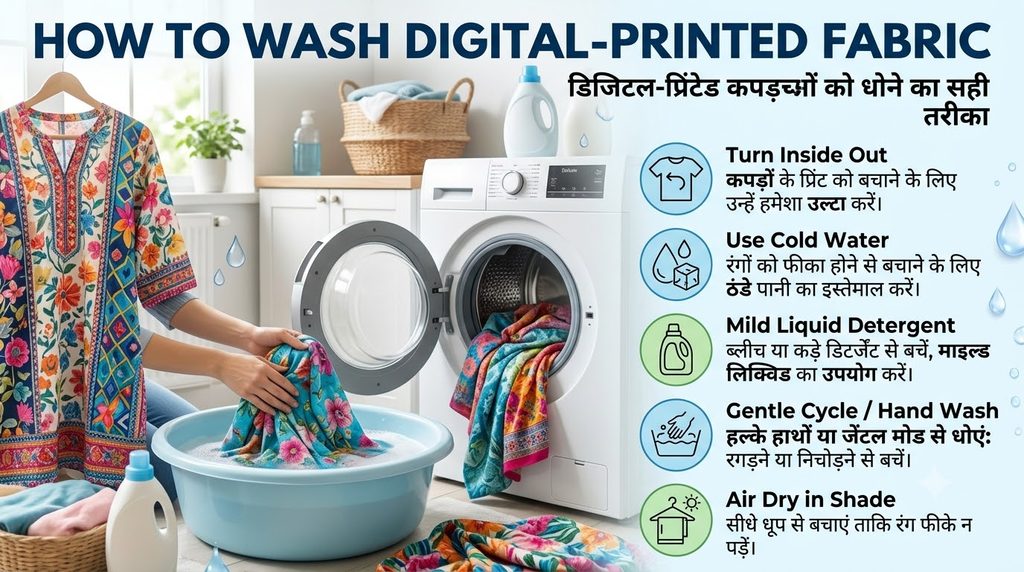
Digital printing allows manufacturers to apply complex designs, colour gradients, and patterns to garments. However, the correct washing method depends on the base fabric, the printing medium, and the inks or dyes the manufacturer uses.For digital-printed cotton or other washable fabric –follow the wash label instructions and use the recommended temperature with a neutral, mild washing product.
Turn the garment inside out before washing to protect the printed surface from rubbing. You can hand-wash garments with digital prints on georgette, chiffon, or other delicate fabrics if the care label allows it. However, avoid machine-washing delicate or specialty fabrics and take them to a professional cleaner when the care label recommends it.
Hand Block-Printed Fabric
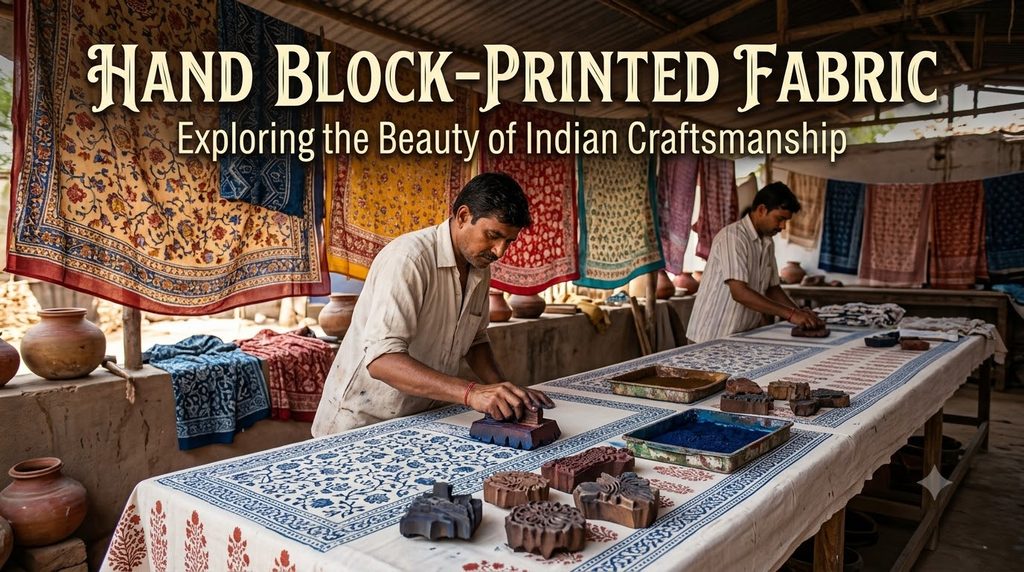
Artisans stamp the design onto the fabric using carved blocks. This design has various dyes and finishes which can be any colour or colour fast.
Use cool water, gentle detergent, and mild agitation for washables of block-printed cotton. Wash new products separately for a while until you understand how well the colours will wash out.
Don’t do too much aggressive scrubbing, bleach and too long soaking. Dry the fabric in the shade to prevent excessive heat from the sun.
Printed Cotton Fabric
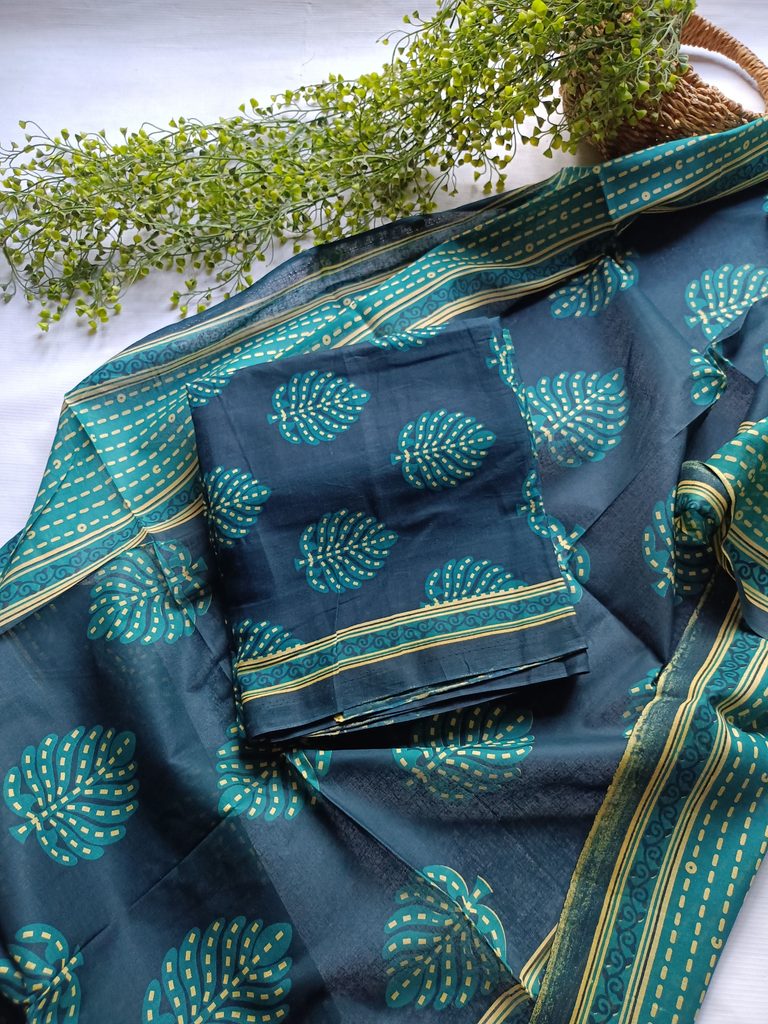
Cotton is the textile of choice for most printed shirts, kurtis, dresses, bed sheets and everyday wear.
You can wash most printed cotton garments at home, but always follow the care label to protect the fabric and preserve its colours. Turn the piece inside out, separate similar colours and use the correct detergent.
If the care label allows machine washing, choose the gentlest wash cycle to help preserve the fabric’s colours.Remember that cotton can shrink in some wash and dry conditions so always check the safe temperature and drying information.
Printed Georgette and Chiffon

Light weight fabrics like georgette and chiffon are prone to snagging, stretching and distortion of shape if treated roughly. If the label states machine washing is ok, use a delicate wash cycle and do not rub the fabric together. Use a washing bag if machine washing or wash the garment by hand if the fabric is very delicate. Never squeeze these fabrics tightly. Dry flat or hang delicately in the shape you want them to dry in, if instructions allow this.
4. How to Remove Stains from Printed Fabric
Treat stains gently because harsh stain-removal methods can damage the print or leave lighter patches on the fabric.
For food and drink stains
Remove excess material by gently lifting it away with a clean cloth or spoon. Blot the area rather than rubbing it, then follow the garment’s recommended cleaning method.
For oily stains
Avoid spreading the oil by rubbing. Blot the area gently and use a stain treatment approved for the fabric, testing it on an inconspicuous area first if the care instructions permit.
For mud or dust
Allow excess mud to dry if appropriate, then brush or lift away loose dirt gently. Wash the garment according to its care label.
For stubborn stains
Do not immediately apply bleach, strong stain removers, or hot water. These may affect the print, dye, or fibre. Check the care instructions and seek professional cleaning for delicate or valuable items.
Important: Always test a cleaning product on a hidden area when permitted, and stop if you notice colour transfer or surface damage.
5. How to Dry Printed Fabric Without Fading It
Drying is part of care of printed fabrics.You can wash printed fabrics on a gentle cycle, but prolonged exposure to direct sunlight can fade their colours over time. When the care label allows, allow garments to dry in the shade or using indirect light, especially when printing is bright or delicate. Gently squeeze excess water out of the garments after washing. Do not twist or stretch wet garments. Use a clothes hanger that supports a garment’s weight, or hang delicate items to dry flat on a clean, flat surface. Do not tumble dry unless the care label allows it. Tumble drying on high heat can cause some fabrics to shrink, and may affect delicate fibres, finishes, and prints.
6. How to Iron Printed Fabric Safely
Iron the garment to remove wrinkles, but use the appropriate heat setting to avoid scorching the fabric or damaging the printed design. Follow the advised iron temperature for the care label. Turn the garment inside out to prevent the printed surface from coming into direct contact with the iron. For more delicate fabric, use a clean, thin cotton cloth underneath, but only if the care label doesn’t say you shouldn’t. Never stay in the same place long enough to burn the fabric, especially if the nature of the fabric is unknown; do a test on an inconspicuous part of the garment before proceeding.
7. Common Mistakes to Avoid When Washing Printed Fabric
Tumble-drying: From using excess heat the print may crack or peel. Using hot water without checking the label: Excessive heat can cause some dyes, finishes and fibres to discolour.Avoid using bleach unless necessary, as it can damage printed patterns and coloured designs. Using abrasive scrubbing to remove stains: Fomites can affect the fabric surface and print. Mixing all colours in the one wash: Colouring from unstable dyes can transfer in the wash. Leaving fabric in water for too long: Not all print types and fibres will tolerate the same duration of soaking. Drying every garment in bright sunlight: This can cause damage to many coloured textiles.Pay attention to the garment’s fibre content because different fabrics require different washing and care methods.
8. How to Store Printed Fabric
Wash printed fabric and make sure it is thoroughly dry before storing. Wet clothing can grow mould and develop bad odours.Store your clothes in a clean, dry place away from direct sunlight and dampness to protect the fabric and preserve is colours.Consider storing using unprinted fabric covers or storage bags if necessary, especially during the winter months. Do not over pack the wardrobe, as clothing can be difficult to manage and clothing can end up creasing. Store delicate fabrics loosely to prevent creases and damage, and hang garments that require hanging on suitable hangers. For unprinted fabric, be sure the pieces are dry and moisture free before storing until required.